AusPost Rolling Research Program

Creating a customer first culture

Creating a customer first culture

Creating a customer first culture

PROJECT SUMMARY Cadence testing is a rolling research method that was created with the intention of encouraging colleagues and other teams to submit queries, ideas, or work-in-progress to get feedback and validation from our customers. The overarching objective of this initiative is to promote a customer-centric culture whilst freeing up capacity to allow the research team to devote more time to proactive and discovery projects.

PROJECT SUMMARY Cadence testing is a rolling research method that was created with the intention of encouraging colleagues and other teams to submit queries, ideas, or work-in-progress to get feedback and validation from our customers. The overarching objective of this initiative is to promote a customer-centric culture whilst freeing up capacity to allow the research team to devote more time to proactive and discovery projects.

PROJECT SUMMARY Cadence testing is a rolling research method that was created with the intention of encouraging colleagues and other teams to submit queries, ideas, or work-in-progress to get feedback and validation from our customers. The overarching objective of this initiative is to promote a customer-centric culture whilst freeing up capacity to allow the research team to devote more time to proactive and discovery projects.

Company

Australia Post

Industries

Postal services

Date

December 2021 - July 2023
Dashboard Sidebar Close Up

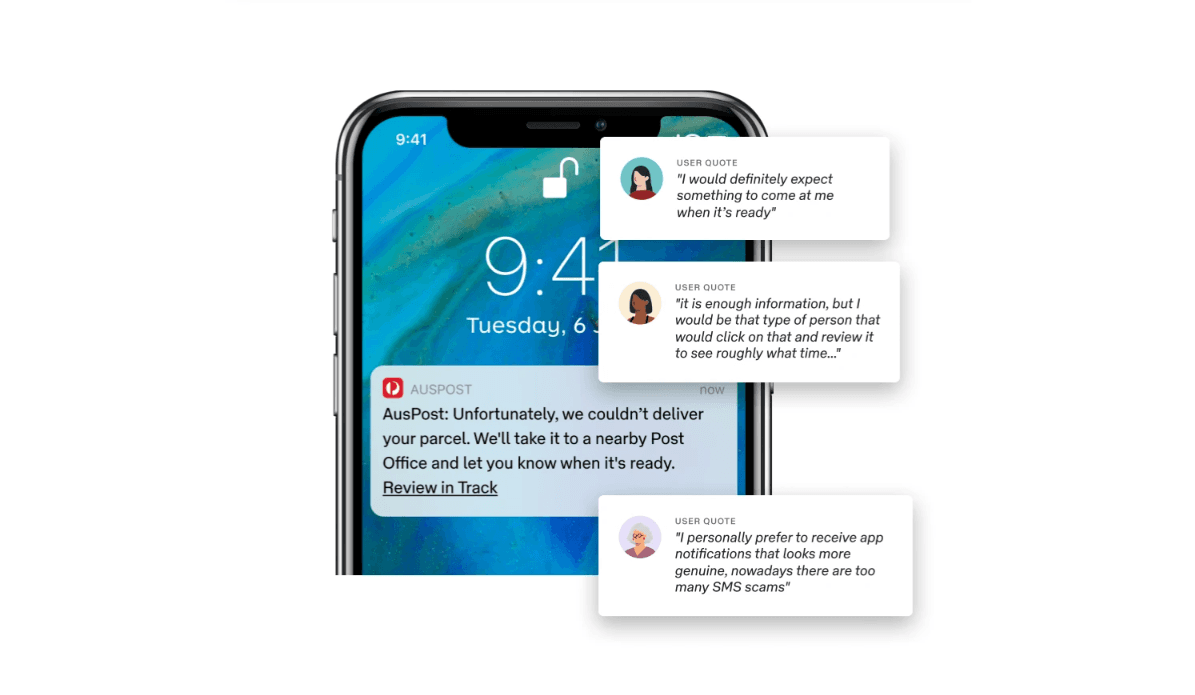
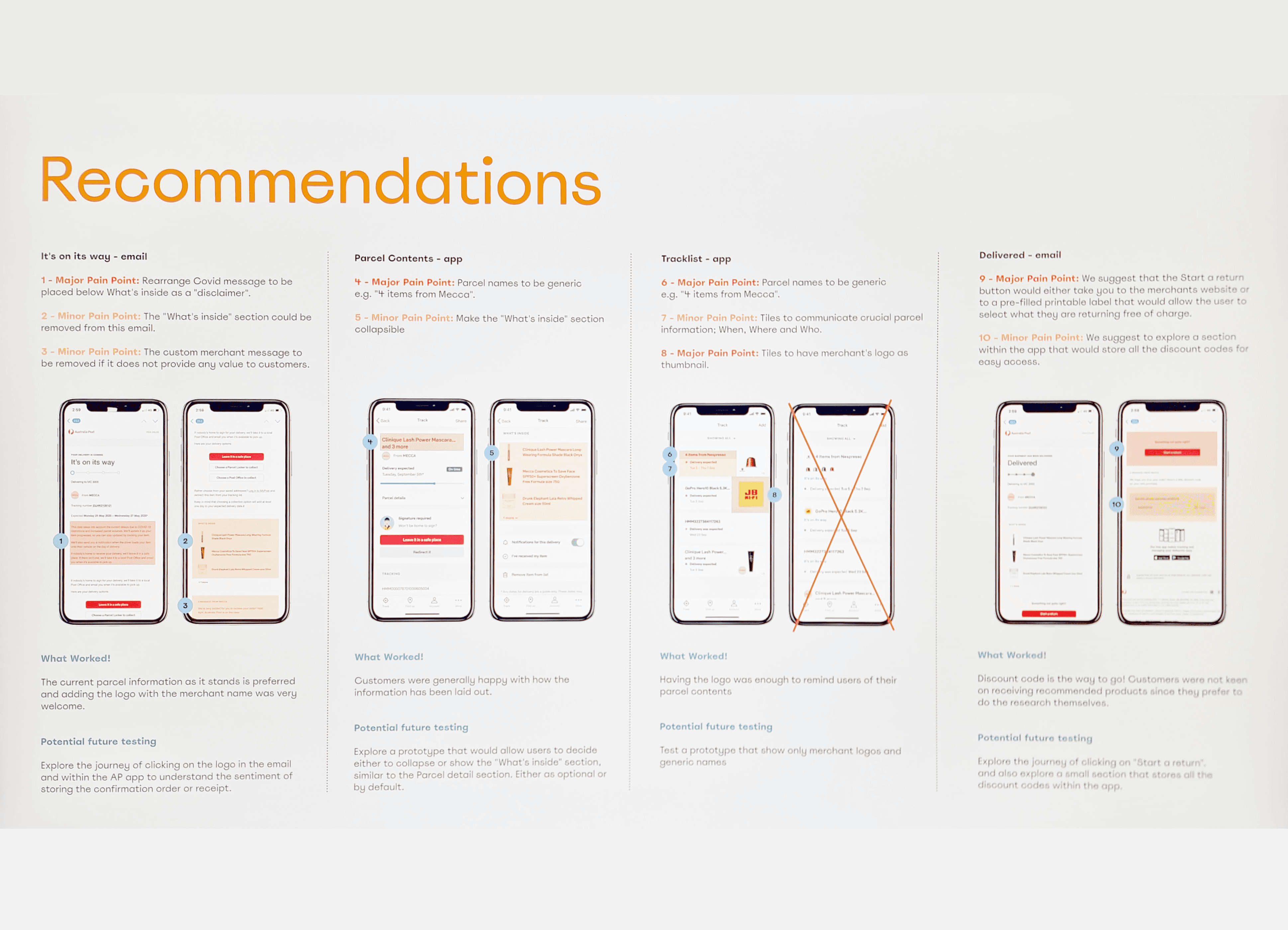
To improve efficiency and enhance the user experience in customer research, we implemented a user-centric approach. We transitioned from designing separate studies for each request to bundling related research into consolidated sessions. This allowed us to cover multiple features in one user testing session, reducing the need for separate briefs, recruitment guides, and reports. By streamlining the process, optimizing resources, and providing a better testing experience, we were able to gather comprehensive feedback, identify trends, and make informed decisions for product improvement. This UX-focused approach significantly improved the efficiency of our customer research efforts while maintaining a high standard of quality.
Full Dashboard
Full Dashboard
Full Dashboard

We made this work by following these simple 10 steps! 01. Identify recurring research needs: Analyze common objectives and themes. 02. Establish a cadence: Set regular testing schedule aligned with iterations. 03. Consolidate research requests: Group related requests for cohesive testing. 04. Coordinate with all stakeholders and manage expectations. 05. Prepare consolidated study materials: Develop comprehensive brief for testing.
Extracted currency modules

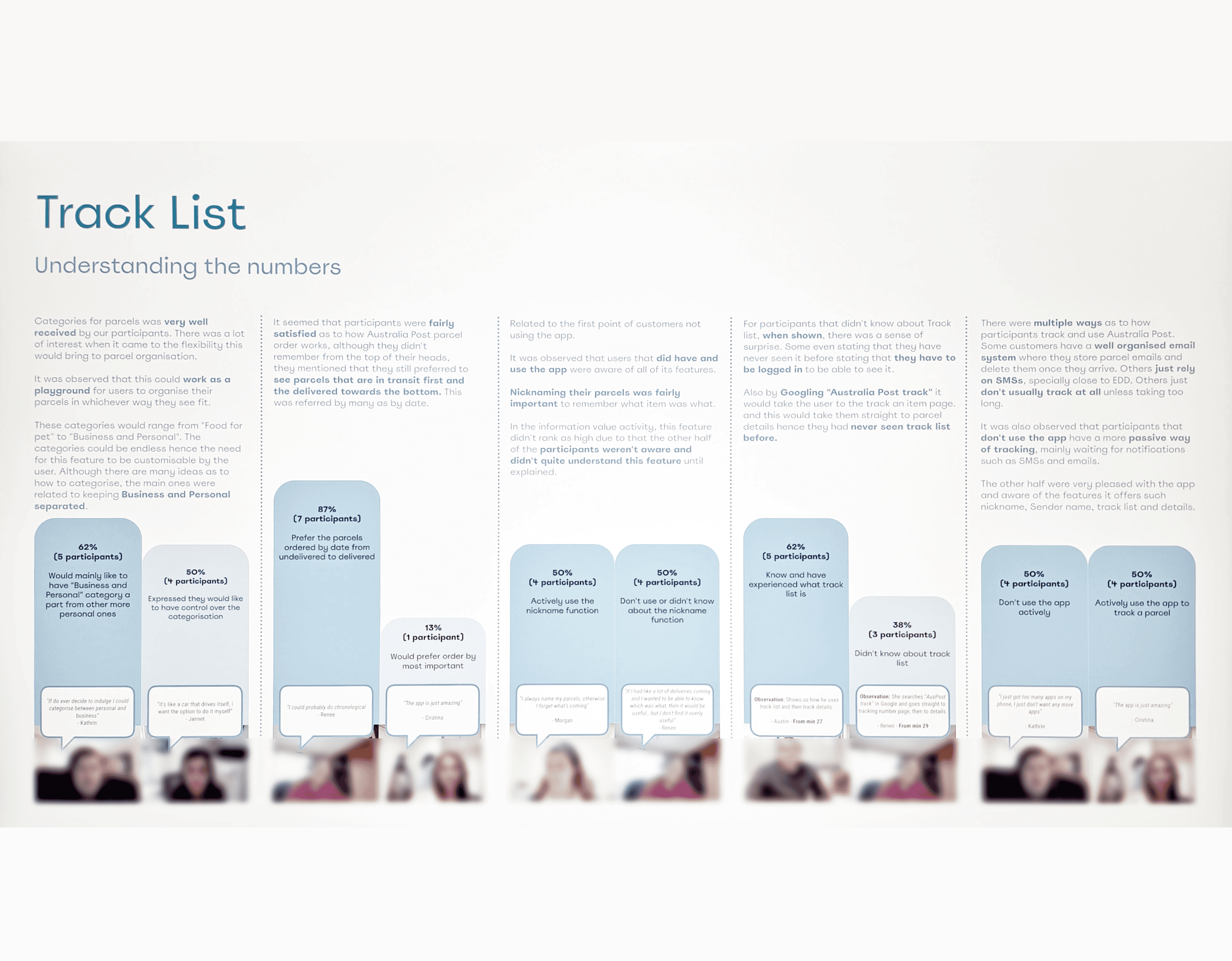
06. Efficient recruitment: Target participants for multiple feature feedback. 07. Conduct user testing sessions: Schedule sessions with selected participants. 08. Encouraging stakeholders to participate in observing sessions to build a customer first culture.. 09. Collect and analyze data: Gather and analyze feedback and observations. 10. Report and share findings: Prepare consolidated report, share insights with stakeholders.
Full Dashboard with Sidebar

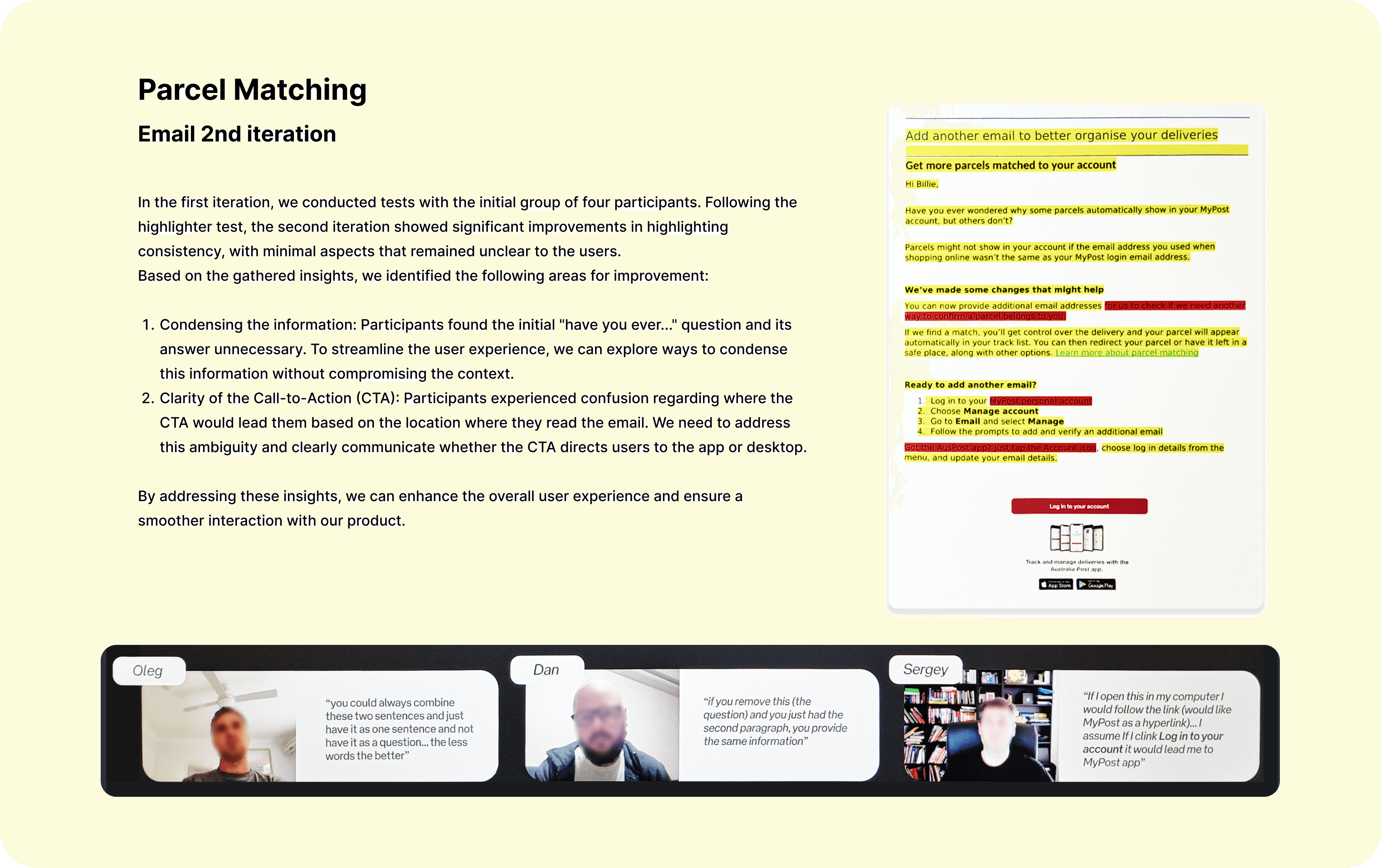
What did I do? I managed the end-to-end process, I handled submission calls, coordinated briefs and stakeholders, recruited and conducted user sessions, and summarized the key insights. These final insights were shared with all stakeholders, along with a concise one-pager report.

I'm all about people, culture, and love some face-to-face collaboration! If you think we'd make a great match, hit me up!

I'm all about people, culture, and love some face-to-face collaboration! If you think we'd make a great match, hit me up!

I'm all about people, culture, and love some face-to-face collaboration! If you think we'd make a great match, hit me up!